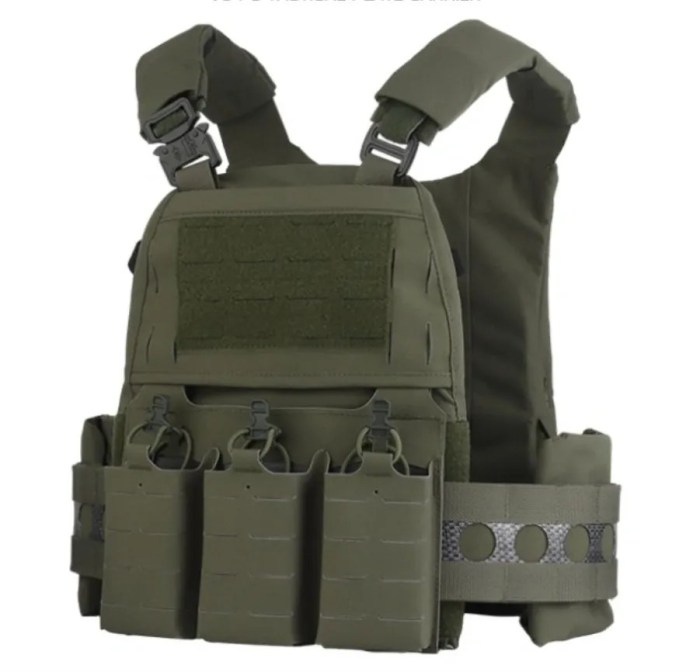
Tactical gear innovations are at the forefront of enhancing the performance and safety of military personnel. As technology advances, so do the materials and features utilized in tactical equipment, making them more durable and functional. From smart technology that integrates GPS and communication devices to cutting-edge fabrics that withstand harsh conditions, these innovations are reshaping the landscape of tactical gear.
The significance of these advancements extends beyond military applications, influencing civilian usage and prompting discussions about legal considerations and political implications. In this exploration, we delve into the latest trends and innovations that define the tactical gear industry today.
Tactical Gear Technology Advancements

Recent years have seen a remarkable evolution in tactical gear technology, driven by the need for enhanced performance, durability, and functionality in challenging environments. As military personnel face increasingly complex scenarios, the gear they utilize must adapt to meet these demands, ensuring not only their safety but also their operational effectiveness. Innovations in materials, clothing features, and smart technology integration are reshaping the tactical landscape.
Latest Materials Enhancing Performance and Durability
The development of advanced materials has played a crucial role in the evolution of tactical gear. Traditional fabrics have been replaced or enhanced with innovative alternatives that offer superior performance characteristics. The following materials stand out for their unique benefits:
- Dyneema: Known for its exceptional strength-to-weight ratio, Dyneema is used in various tactical applications, providing unmatched cut resistance and durability while remaining lightweight.
- GORE-TEX: This waterproof and breathable fabric is integral to tactical clothing, allowing moisture to escape while keeping external water out, thus enhancing comfort and performance in adverse conditions.
- Nomex: Used in flame-resistant garments, Nomex offers protection against heat and fire without sacrificing mobility, a critical feature for personnel in high-risk environments.
These materials not only ensure durability but also improve wearer comfort, which is essential for long-duration missions.
Innovative Features in Tactical Clothing
Modern tactical clothing incorporates various features designed to enhance functionality and support military personnel in their missions. These innovations include:
- Modular Design: Tactical clothing with modular components allows users to customize their gear for specific missions, providing flexibility and adaptability in dynamic environments.
- Integrated Storage Solutions: Many tactical garments now feature strategically placed pockets and compartments, allowing easy access to critical items such as tools, ammunition, and communication devices without hindering movement.
- Temperature Regulation: Advanced clothing technologies, such as phase change materials, regulate body temperature by absorbing and releasing heat, crucial for maintaining performance in extreme conditions.
These features contribute to enhanced operational efficiency and ensure that personnel are prepared for a range of scenarios.
Integration of Smart Technology in Tactical Gear
The incorporation of smart technology in tactical gear represents a significant leap forward in operational capability. This technology enhances communication, situational awareness, and effectiveness on the battlefield. Key integrations include:
- Built-in Communication Devices: Many modern tactical vests and clothing are equipped with communication systems that allow seamless coordination between team members, fostering improved teamwork and responsiveness.
- GPS Tracking Systems: Integrated GPS technology enables precise location tracking, which is vital for navigation and mission planning, particularly in unfamiliar terrains.
- Wearable Sensors: Tactical gear now includes sensors that monitor vital signs and environmental conditions, providing real-time data that can be critical for assessing soldier health and safety.
These technological advancements not only enhance operational effectiveness but also support personnel in maintaining situational awareness during missions, ultimately contributing to mission success.
Legal Considerations in Tactical Gear Usage
The use of tactical gear has become increasingly common among civilians, prompting a closer examination of the legal frameworks that govern its sale and ownership. Various countries implement distinct laws regarding tactical equipment, and it’s essential for users to understand these regulations to avoid potential legal pitfalls. This segment will explore the implications of tactical gear in civilian contexts, the laws that govern its ownership, and the differences between military and civilian regulations.
Regulations Surrounding Sale and Ownership
Laws regarding the sale and ownership of tactical gear vary significantly across different nations. In many countries, including the United States, tactical gear such as body armor, firearms accessories, and tactical clothing are generally legal for civilian purchase. However, certain items, like high-capacity magazines or specific types of body armor, may be subject to restrictions depending on local laws.
- In the United States, the legality of owning tactical gear can be influenced by state laws. For example, California has specific regulations concerning body armor, whereas states like Texas have more lenient policies.
- In Canada, the ownership of tactical gear is more tightly regulated, with body armor classified under certain laws that can require licensing or specific justifications for possession.
- In the UK, the sale of tactical gear is also subject to the Violent Crime Reduction Act, which restricts the sale of certain items to civilians, particularly if they can be used for offensive purposes.
Understanding these regulations is crucial for any civilian considering the purchase or use of tactical gear, as violations can lead to significant legal consequences.
Implications of Tactical Gear in Civilian Contexts
The implications of using tactical gear in civilian contexts can vary widely, influenced by factors such as the purpose of use and local laws. While many civilians purchase tactical gear for personal protection, outdoor activities, or professional needs, the perception of tactical gear can differ dramatically depending on its application.
- In some situations, wearing tactical gear might be seen as a precautionary measure, especially in environments where personal safety is a concern, such as during protests or in areas with high crime rates.
- Conversely, using tactical gear inappropriately can lead to legal ramifications, particularly if it is misconstrued as preparing for unlawful activities or if it incites public fear.
- Local law enforcement agencies may have different interpretations of what constitutes reasonable use, leading to potential confrontations with authorities if the gear is perceived as militaristic or aggressive.
Awareness and adherence to local laws are paramount to ensure that individuals do not inadvertently cross legal boundaries.
Comparative Regulations Between Military and Civilian Sectors
The regulations governing the use of tactical gear in the military and civilian sectors differ significantly, primarily due to the intended use and associated responsibilities. Military personnel often have access to specialized equipment that is not available to civilians, and this distinction is crucial in understanding the legal landscape.
- Military regulations typically allow for the use of tactical gear under strict guidelines, focusing on operational readiness and safety. Soldiers are trained in the appropriate use of tactical equipment, and their actions are backed by military law.
- In contrast, civilians face a patchwork of regulations that can vary not only by country but also by region. While some tactical gear is permissible, civilians must navigate local laws to ensure compliance.
- The difference in training and accountability between military and civilian users can lead to misunderstandings about the appropriate use of tactical gear. For instance, a civilian using military-style gear in a public space may attract scrutiny, even if their intentions are benign.
Understanding these differences is critical for anyone involved in the purchase or use of tactical gear, as they navigate the complex legal landscape that surrounds these products.
Political Influence on Tactical Gear Development
The development of tactical gear is intricately linked to political factors that drive innovation and funding. Government contracts play a pivotal role in shaping the tactical gear landscape, often dictating the pace and direction of technological advancements. Understanding this relationship reveals how military needs and political relationships between nations significantly influence the defense industry and its associated technologies.
Impact of Government Contracts on Tactical Gear Innovation
Government contracts serve as a primary catalyst for innovation within the tactical gear sector. These contracts not only provide funding but also set specific requirements that manufacturers must meet. This creates a competitive landscape where companies strive to develop cutting-edge technologies that fulfill government specifications.
- Large Defense Budgets: Countries allocate substantial budgets to defense, which directly influences the availability of resources for tactical gear development.
- Research and Development Grants: Contracts often include provisions for R&D, pushing companies to innovate and improve existing products.
- Regulatory Standards: Governments establish strict standards that gear must meet, compelling manufacturers to invest in new technologies and materials.
- Long-Term Partnerships: Sustained contracts can lead to long-term collaborations between the military and manufacturers, fostering a cycle of continuous improvement and innovation.
Military Needs Shaping Political Defense Budget Decisions
The specific needs of the military play a crucial role in shaping political decisions regarding defense budgets. Policymakers often respond to military assessments and requirements when allocating resources, meaning that advancements in tactical gear must align with strategic military goals.
- Strategic Assessments: The military conducts assessments that highlight gaps in current capabilities, prompting discussions on budget allocations to address these needs.
- Influence of Military Leadership: High-ranking military officials often advocate for budget increases based on the technological demands of contemporary warfare.
- Legislative Support: Congress and other governing bodies may rally around defense spending initiatives that promise to enhance military readiness through improved tactical gear.
- Public Perception: Political leaders consider public safety and military effectiveness, often leading to increased funding for advanced tactical gear.
Political Relationships and Tactical Gear Trade
The political relationships between countries can significantly impact the export and import of tactical gear technologies. Cooperative agreements and defense pacts often facilitate the sharing of innovations and resources, while tensions can lead to restrictions and embargos.
- Defense Alliances: Countries in alliances such as NATO share technology and tactical gear, promoting collaborative innovations.
- Export Regulations: Governments impose strict export controls on tactical gear, often based on diplomatic relations, impacting global supply chains.
- Trade Agreements: Bilateral trade agreements can include stipulations on defense technology transfers, influencing the availability of advanced equipment.
- Sanctions and Restrictions: Political tensions can lead to sanctions that hinder the export of critical tactical gear technologies to certain nations.
Conclusive Thoughts
In summary, tactical gear innovations not only enhance the effectiveness and safety of military personnel but also spark important discussions regarding legality and political influence. As technology continues to evolve, the future of tactical gear looks promising, paving the way for new solutions that meet the demands of both military and civilian users alike. Staying informed about these developments is crucial for anyone interested in the tactical gear landscape.
Quick FAQs
What materials are most commonly used in tactical gear?
Common materials include nylon, Kevlar, and high-performance polyesters, known for their durability and resistance to wear.
How does smart technology enhance tactical gear?
Smart technology can provide features like real-time communication, GPS tracking, and health monitoring, improving operational effectiveness.
Are there specific laws regarding tactical gear ownership?
Yes, laws vary by country and can include restrictions on certain types of equipment, especially those designed for military use.
Can civilians use military-grade tactical gear?
Civilians can use military-grade gear, but it’s essential to know the laws in their country regarding ownership and usage.
How do government contracts impact tactical gear innovation?
Government contracts often drive innovation by providing funding for research and development tailored to military needs.


![[100+] Astrology Backgrounds | Wallpapers.com](https://dlpusch.info/wp-content/uploads/2025/07/astrological-circle-of-the-horoscope-icons-star-constellations-of-12-zodiac-signs-astrological-signs-for-calendar-horoscope-isolated-on-a-background-vector-300x225.jpg)

