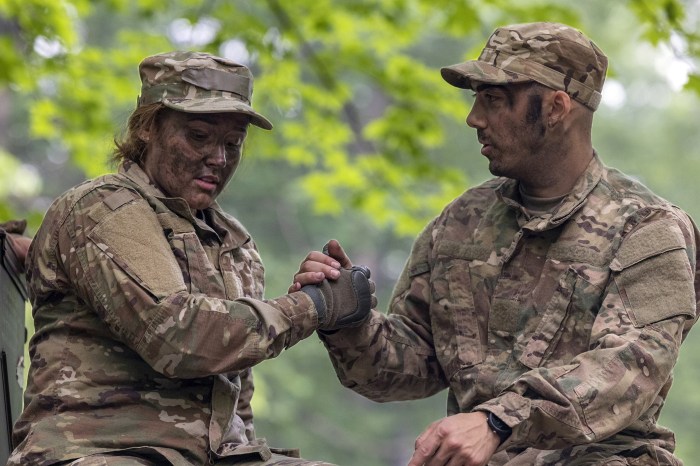
Military training simulation takes center stage as modern armed forces strive to enhance their operational readiness. These simulations create realistic environments where troops can practice their skills, make decisions, and learn from their mistakes without the risks associated with live training exercises. With advancements in technology, these simulations are becoming increasingly sophisticated, integrating virtual reality, artificial intelligence, and real-time data analysis to provide a comprehensive training experience.
Beyond technical skill development, military training simulations also serve broader strategic purposes, influencing defense policies and international relations. They help leaders assess readiness, prepare for potential conflicts, and ensure that resources are allocated efficiently. This multifaceted approach to training not only enhances individual performance but also strengthens overall military capabilities.
Military Training Simulation Overview
Military training simulations serve as essential tools for preparing armed forces personnel for real-world combat scenarios. These simulations encompass a range of technologies and methodologies designed to replicate the complexities of warfare, enabling soldiers to enhance their skills, decision-making abilities, and teamwork in a controlled environment. The purpose of these simulations is not only to improve individual performance but also to foster effective collaboration among various units and branches of the military.The various types of military training simulations can be broadly categorized based on their functionality and technological sophistication.
Each type plays a crucial role in achieving specific training objectives, ensuring that military personnel are equipped for the challenges they may face.
Types of Military Training Simulations
Different categories of military training simulations include:
- Live Simulations: These involve actual troops and equipment in realistic environments. Examples include field exercises where units conduct maneuvers to simulate combat situations. These exercises help develop physical skills and team cohesion.
- Virtual Simulations: These utilize computer-generated environments where participants engage in simulated combat scenarios. Virtual simulations allow for repeated practice without the logistical costs and risks associated with live training.
- Constructive Simulations: These are computer-based models that simulate the behavior of forces and systems in a virtual environment. They are often used for command training and strategic decision-making, enabling commanders to practice their skills in a risk-free setting.
- Serious Games: These are interactive games designed for training purposes. They combine elements of entertainment with educational content, providing engaging experiences that can enhance learning outcomes.
Technological advancements have significantly transformed military training simulations over the years, resulting in more effective and immersive training experiences. The integration of virtual reality (VR) and augmented reality (AR) technologies has revolutionized how armed forces conduct training, allowing for highly interactive and realistic environments.
Technological Advancements in Military Training Simulations
The evolution of technology has led to the incorporation of numerous sophisticated features in military training simulations:
- Immersive Environments: VR and AR technologies provide soldiers with the ability to train in realistic settings that mimic the complexities of actual combat zones, enhancing situational awareness and tactical decision-making.
- AI-Powered Scenarios: Artificial intelligence is increasingly used to create dynamic scenarios that adapt to the actions of the trainees. This realism helps prepare soldiers for unpredictable situations they may encounter in the field.
- Data Analytics: Modern simulations employ data collection and analytics tools that provide insights into trainees’ performances, allowing for targeted feedback and improved training regimens.
- Networked Training: With advancements in networking technology, multiple units can participate in joint exercises regardless of their physical location. This fosters inter-unit coordination and provides a more comprehensive training experience.
“Training simulations are critical in ensuring military readiness, enabling personnel to adapt and respond effectively to the realities of modern warfare.”
Law and Issues Related to Military Training Simulations

The intersection of law and military training simulations raises significant considerations that impact both the development and deployment of these technologies. As military training simulations become increasingly sophisticated, understanding the legal frameworks that govern their use is essential for ensuring compliance and ethical conduct. This segment explores the primary legal aspects, ethical considerations, and notable controversies surrounding military training simulations.
Legal Frameworks Governing Military Training Simulations
Various legal frameworks dictate the use of military training simulations. These laws ensure that simulations meet national and international standards, preserving the rights of personnel and the integrity of military operations. Key frameworks include:
- International Humanitarian Law (IHL): This body of law governs the conduct of armed conflict and aims to protect those not participating in hostilities. Military training simulations must align with IHL principles to ensure compliance with ethical warfare standards.
- National Defense Authorization Act (NDAA): In the United States, this legislation Artikels the budget and expenditures for the Department of Defense, including funding for training simulations. It ensures that resources are appropriately allocated to enhance simulation training.
- Data Protection Laws: Laws such as the General Data Protection Regulation (GDPR) in Europe impose strict regulations on how personal data is handled during training simulations, particularly when involving real personnel data.
Ethical Considerations in Military Training Simulations
The development and application of military training simulations come with a range of ethical considerations. Addressing these issues is essential to uphold the moral standards within military training environments. Important ethical aspects include:
- Realism vs. Desensitization: While high realism in simulations can enhance training efficacy, it may also lead to desensitization to violence among personnel if not managed carefully.
- Informed Consent: Training involving personnel should ensure that all participants are fully aware of the simulation’s nature and provide their consent without coercion.
- Over-reliance on Technology: There is a risk that military personnel may become overly reliant on simulations, potentially undermining real-world skills and decision-making capabilities.
Controversies and Legal Disputes
Several controversies and legal disputes have arisen in the context of military training simulations, highlighting the complexities of their use. Noteworthy examples include:
- Veteran Lawsuits: Some veterans have filed lawsuits claiming that exposure to certain types of training simulations, especially those involving high-stress scenarios, has led to psychological issues, including PTSD.
- Public Outcry Over Realism: The realism of certain military training simulations, especially those that simulate civilian environments, has sparked public debate regarding the ethical implications of training methods that may blur lines between reality and simulation.
- Intellectual Property Disputes: Companies developing simulation technology have faced legal challenges over the ownership of software and methodologies, raising questions about the proprietary nature of military training innovations.
“Military training simulations are pivotal in preparing personnel, but their implications on law, ethics, and society must always be considered.”
Political and Government Perspectives on Military Training Simulations
Military training simulations play a pivotal role in shaping defense policies and strategies, influencing the way governments allocate resources, and impacting international relations. As nations seek to enhance their military readiness and operational efficiency, these simulations have become essential tools for training personnel and planning defense strategies. The insights gained through simulations not only inform military conduct but also reflect broader geopolitical trends that governments must navigate.
Impact on Defense Policies and Strategies
Military training simulations directly affect defense policies by allowing military organizations to assess and refine their strategies based on realistic scenarios. These simulations enable the testing of various tactics in a controlled environment, leading to better decision-making in real-world situations. For example, during the development of the U.S. military’s Joint Training System, simulations were used extensively to evaluate responses to hybrid warfare and cyber threats, resulting in substantial policy adaptations to address these modern challenges.
Government Funding and Resource Allocation
The allocation of government funding to military training simulations is a key factor in enhancing national defense capabilities. Budgetary decisions reflect the importance placed on technological advancements and training methodologies. For instance, the U.S. Department of Defense has significantly increased its investment in simulation technologies, which has led to improvements in virtual reality training systems. This funding not only covers the development of advanced simulations but also supports the integration of these tools into existing training programs, ensuring that military personnel are equipped with the necessary skills for contemporary warfare.
Role in International Relations and Military Alliances
Military training simulations also play a critical role in shaping international relations and strengthening military alliances. By participating in joint exercises that incorporate simulation technologies, allied nations can enhance interoperability and foster mutual understanding. For instance, NATO conducts several multinational training exercises that utilize simulations to prepare forces for collaborative operations. These exercises not only improve tactical proficiency but also signal unity and shared commitment among member states, which is essential for collective security.
“In an era of complex threats, the ability to simulate scenarios and train accordingly is no longer optional; it is a necessity for effective defense.”
Ultimate Conclusion
In conclusion, military training simulations play a crucial role in preparing armed forces for the complexities of modern warfare. As technology continues to evolve, these simulations will likely become even more integral to military operations, shaping how soldiers are trained and how strategies are formulated. By embracing these innovations, militaries can enhance their effectiveness and readiness in an ever-changing global landscape.
User Queries
What are military training simulations?
Military training simulations are advanced technologies used to create realistic training environments for armed forces, allowing them to practice and refine their skills in a safe setting.
How do military training simulations enhance readiness?
They provide a platform for troops to experience real-life scenarios, make decisions, and learn from outcomes, ultimately improving their preparedness for actual combat situations.
What types of military training simulations exist?
Common types include virtual reality simulations, computer-based simulations, and live-action role-playing exercises, each serving different training needs.
Are there ethical concerns related to military training simulations?
Yes, ethical issues can arise regarding the realism of simulations, potential psychological impacts on soldiers, and the implications of simulated warfare on public perceptions.
How is government funding allocated for military training simulations?
Funding is typically prioritized based on strategic military needs, technological advancements, and the effectiveness of existing training programs, ensuring resources are used efficiently.


![[100+] Astrology Backgrounds | Wallpapers.com](https://dlpusch.info/wp-content/uploads/2025/07/astrological-circle-of-the-horoscope-icons-star-constellations-of-12-zodiac-signs-astrological-signs-for-calendar-horoscope-isolated-on-a-background-vector-300x225.jpg)

